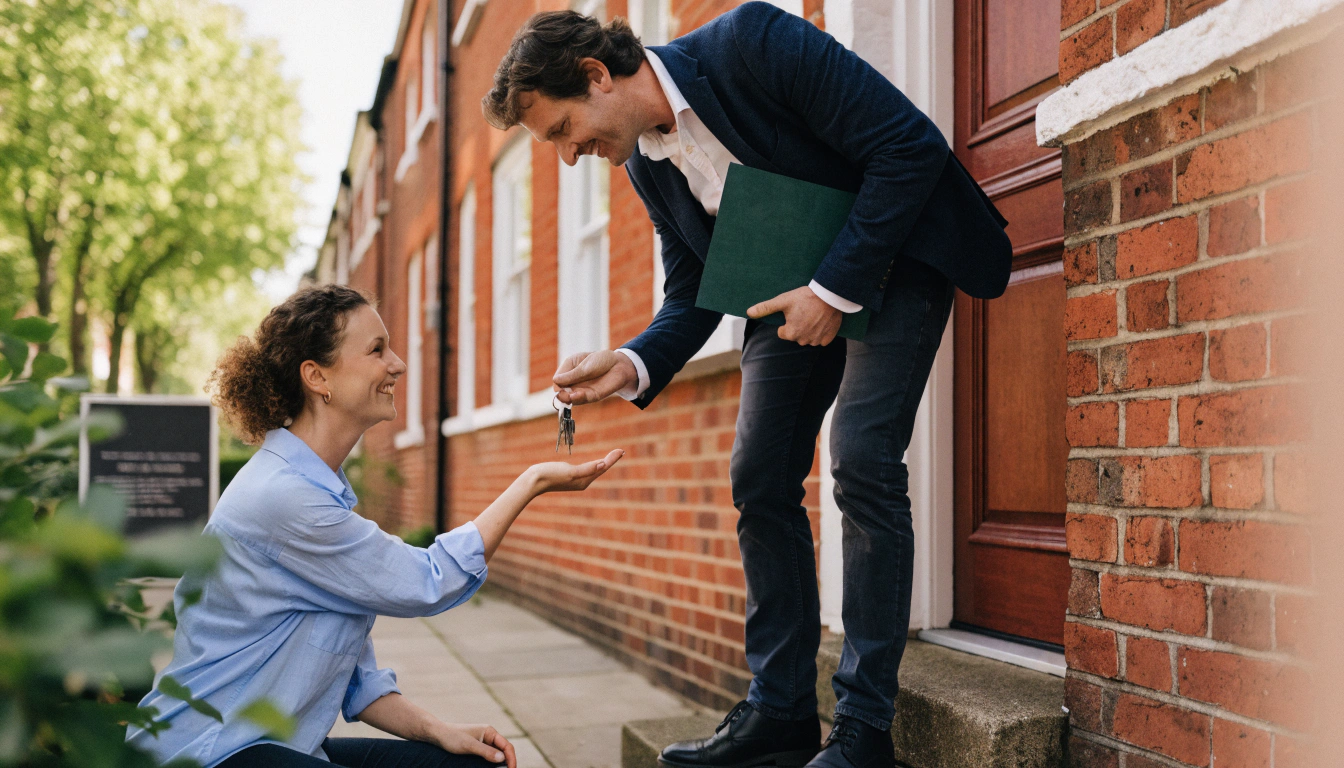
Selling your house involves more than putting it on the market and waiting for offers. The way your property looks, feels and functions can influence how potential buyers respond during viewings. Homeowners speaking to Prescot estate agents can benefit from making a few practical improvements before arranging photographs and welcoming visitors. From decluttering rooms to tackling minor repairs, preparing your home properly can help buyers appreciate its best features and picture themselves living there.
1. Start With a Thorough Clean
A clean house creates a positive first impression. Buyers are likely to notice dusty surfaces, dirty windows, stained carpets and untidy bathrooms, even when they are not deliberately looking for them.
Pay particular attention to the kitchen and bathroom, as these rooms can influence how buyers perceive the property’s overall condition. Clean cupboard doors, wipe down worktops, remove limescale and make sure sinks and taps are in good condition.
Wash the windows where possible, vacuum the floors and clean skirting boards. If carpets are heavily stained, consider whether a professional clean would be worthwhile.
You do not need to make your home look unused. The aim is to create a fresh, welcoming environment that feels well maintained and ready for someone else to move into.
2. Declutter Every Room
Personal belongings make a house feel like home, but too many items can make rooms appear smaller than they really are.
Start by removing things you no longer need. Clear kitchen worktops, organise bookshelves and reduce the number of items on bedroom furniture. Keep decorations that add character without overwhelming the space.
You do not need to remove every family photograph or personal item. Instead, aim for a balance that allows buyers to appreciate the rooms while still making the property feel welcoming.
If storage space is limited, consider temporarily moving excess furniture and boxes elsewhere. Avoid simply pushing everything into cupboards, as potential buyers may want to check how much storage is available.
A tidy home also makes property photography easier, helping rooms look clearer and more spacious in online listings.
3. Take Care of Minor Repairs
Small maintenance problems can make buyers question how well a property has been looked after.
Walk through your home and make a list of jobs you have been putting off. Loose door handles, dripping taps, damaged light fittings, peeling paint and squeaky doors are often relatively straightforward to fix.
Check that windows and doors open properly, replace failed light bulbs and repair obvious damage to walls.
These improvements will not necessarily increase the property’s market value, but they can help it feel better maintained. They may also prevent buyers from becoming distracted by minor faults during viewings.
If you notice more serious issues, such as persistent damp or roof damage, consider obtaining professional advice before deciding how to proceed.
4. Improve Your Home’s Kerb Appeal
The outside of your property is often the first thing buyers see, whether they discover it online or arrive for a viewing.
Make sure the entrance is tidy, the front door is clean and any accessible paths are free from clutter. Trim overgrown plants, remove weeds and sweep the driveway or front path.
If you have a garden, mow the lawn when necessary and tidy outdoor seating areas. You do not need an elaborate landscaping project; simple maintenance can make the space feel more inviting.
If the front door has peeling paint, a fresh coat may be worth considering. Clean windows and a well-maintained entrance can also help create a positive first impression.
Think about the view from the street and what buyers will notice as they approach the house.
5. Make Rooms Feel Bright and Spacious
Lighting can make a considerable difference to how a property feels. Open curtains and blinds, clean the windows and switch on lights in darker rooms when preparing for photographs or viewings.
Move bulky furniture if it blocks natural light or makes it difficult to walk through a room. Arrange furniture so buyers can see the available floor space and understand how the room could be used.
Mirrors can help reflect light, although they should be positioned carefully rather than added simply for decoration.
If a room has an unusual layout, consider how best to demonstrate its purpose. A spare bedroom, for example, could be presented as a guest room or home office, depending on its size and features.
The aim is to help buyers understand the space without making unnecessary changes.
6. Keep the Interior Neutral
You do not necessarily need to repaint the entire house before selling. However, heavily personalised colours or damaged walls may distract some buyers.
If a room has bold decoration that dominates the space, a neutral shade could make it easier for visitors to imagine their own furniture and style.
Focus first on areas that look tired or receive plenty of attention, such as hallways, living rooms and kitchens.
Avoid expensive renovations purely for the sake of selling. Major improvements can be costly, and there is no guarantee that you will recover the full amount spent when the property sells.
Simple cosmetic updates are often a sensible starting point, particularly when your budget is limited.
7. Prepare Your Home for Property Photography
Most buyers begin their search online, making photographs an important part of presenting your property.
Before the photographer arrives, clear unnecessary items from worktops, make beds, arrange cushions and put away laundry. Remove bins from prominent areas and ensure the rooms look tidy.
Open curtains and use appropriate lighting to create a bright, natural appearance.
It is also worth preparing the garden, driveway and entrance, as exterior photographs help buyers understand the property before arranging a viewing.
Make sure the photographs represent your home accurately. Presenting the property clearly can attract suitable buyers and help them form realistic expectations before visiting.
8. Get Ready for Viewings
Once your property is on the market, keeping it presentable between viewings can make the process easier.
Before visitors arrive, ventilate the house, put away personal items and ensure the temperature is comfortable. Avoid strong air fresheners or scented candles, as these can sometimes be distracting.
If you have pets, make suitable arrangements for them during appointments. Ensure buyers can access the main rooms, garden and relevant storage areas.
It is also helpful to gather information about practical features, such as recent improvements, boiler servicing and available guarantees. Having these details ready makes it easier to answer questions confidently.
Allow buyers enough time to look around without feeling rushed. A comfortable viewing experience gives them an opportunity to consider whether the property meets their needs.
Final Thoughts
Preparing your house for sale does not have to involve a complete renovation or a substantial budget. A thorough clean, less clutter, a few repairs and a tidy entrance can all help create a positive impression.
Focus on improvements that make your property feel cared for and allow buyers to appreciate its space and features. By preparing your home carefully before it reaches the market, you can give potential buyers a clearer picture of what it would be like to live there.