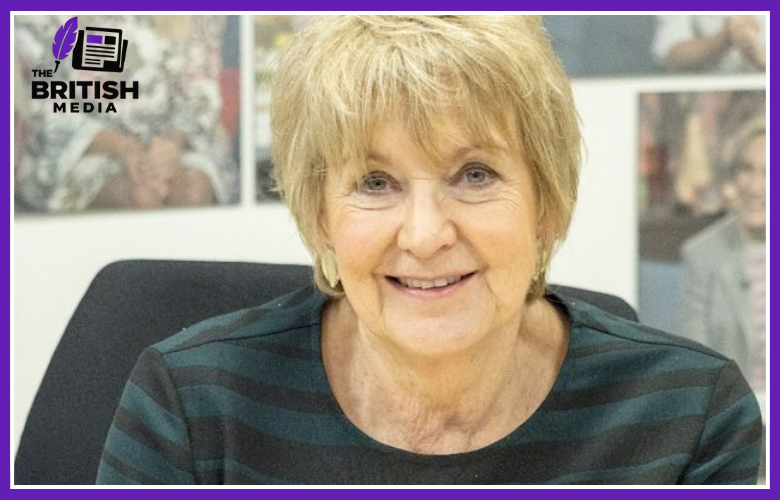
For generations of British readers, Dear Deidre has been a familiar place to turn when life becomes complicated. The advice feature has covered marriage problems, cheating, family disputes, dating worries, loneliness, parenting and many other personal concerns. Its popularity comes from a simple idea: sometimes people want another person to listen before they decide what to do next.
The name is closely linked with Deidre Sanders, who became one of Britain’s best-known agony aunts after joining The Sun in 1980. However, the service has changed since her retirement from the newspaper role. Today, Sally Land leads the advice operation, while the wider team continues to answer readers through newspaper articles and digital channels. The service has even expanded to WhatsApp in 2026, showing how a traditional advice column has adapted to modern communication.
Who is Deidre Sanders?
Deidre Sanders is a British journalist, agony aunt and television personality. She became widely known for answering personal questions through The Sun, where she started working in 1980. Her career helped turn the newspaper’s advice feature into one of the most recognisable personal advice services in Britain.
Before joining The Sun, Sanders had already developed experience in journalism and advice work. Her earlier career included work with publications such as Nova, Woman’s Own and The Sunday Times. She also developed knowledge in areas such as, domestic violence, child abuse, anger management and personal development.
That background helped shape the way she approached sensitive questions. Rather than treating a problem as a simple yes-or-no situation, her advice often considered the emotions and circumstances behind it. This became an important part of her public identity.
When did Deidre Sanders join The Sun?
Sanders joined The Sun in 1980 after developing experience in journalism and agony-aunt work. Her arrival marked the beginning of a relationship with the newspaper that would last for decades. During that time, she became closely associated with the advice column and its distinctive style.
Her work appeared during a period when newspaper advice columns played an important role in British popular culture. Readers could write about problems they might not feel comfortable discussing with friends or relatives. The printed response then gave them another perspective on a situation that could otherwise feel overwhelming.
Over the years, the format became part of everyday newspaper life. Sanders dealt with thousands of personal dilemmas and developed a reputation for discussing subjects that many readers considered difficult or embarrassing.
What happened to Deidre Sanders?
Sanders retired from her regular role at The Sun at the end of 2020. Her departure brought an important chapter of her newspaper career to a close, but it did not remove her from public life. She continued to be associated with television and advice work.
She has also been known for her work with ITV’s This Morning. ITV has described Sanders as an agony aunt who has helped viewers both on and off screen since 2016. Her television appearances allowed her to reach audiences beyond the traditional newspaper readership.
The retirement therefore represented a change of role rather than the disappearance of her influence. Her name remains strongly connected with British advice journalism, while the service itself continues with a newer team.
Is Dear Deidre still running in 2026?
Yes, the advice service is still active in 2026. The important distinction is that Deidre Sanders is no longer the person handling the daily newspaper operation. The Sun continues to publish personal advice under the established brand, with Sally Land now leading the service.
The modern version looks very different from the original newspaper format. Readers can now access advice online and communicate with the team through digital channels. This has made the service more immediate and accessible than it was when readers depended mainly on letters.
In August 2026, The Sun announced a free WhatsApp advice service. It replaced the previous live-chat system and gives readers another way to contact the counselling team. The newspaper says responses are provided within one working day.
Who writes the column now?
Sally Land is the current resident agony aunt and relationship expert associated with The Sun’s advice service. She has experience in relationship, parenting and health topics and works with a wider team of counsellors.
This is an important point for people searching for information about the column today. The name remains familiar, but the person behind the modern service has changed. Sanders created the legacy, while Land and the current team continue the advice operation.
The newer structure also reflects how personal advice has developed. Instead of relying on one newspaper personality, the service can draw on trained counsellors and specialists. That allows it to deal with a wider range of modern concerns.
What problems does the advice service cover?
The subjects are broad because personal problems rarely fit into one category. Relationship difficulties remain a major part of the service, including arguments, infidelity, marriage problems, dating and uncertainty about long-term commitments.
Intimacy also feature prominently. Other topics include mental health, parenting, workplace difficulties, money problems and family relationships. The Sun has reported that relationships account for a significant proportion of its advice questions, followed by mental health concerns.
These subjects reflect everyday problems rather than unusual situations. Readers often want help understanding another person’s behaviour or deciding how to respond to a difficult situation. That practical element is one reason advice columns continue to attract attention.
Why do people search for Dear Deidre stories?
Searches for advice stories often come from readers looking for relatable situations. Someone dealing with relationship uncertainty may find comfort in reading about another person facing a similar problem. The story can provide a different perspective without requiring the reader to reveal their own circumstances.
Recent cases published by The Sun have covered concerns involving relationships, money, family issues and emotional uncertainty. These stories demonstrate that the modern service continues to focus on situations that readers can recognise from everyday life.
The appeal also comes from the advice itself. Readers are not simply looking for entertainment. Many want to understand why a particular situation happened and what a sensible next step could look like.
What is the Dear Deidre photo casebook?
The photo casebook became another recognisable part of the newspaper’s advice content. These features combined relationship dilemmas with photographs and a more dramatic storytelling format. They gave readers a visual way to engage with situations that might otherwise have appeared only as written letters.
The casebook format became closely associated with Sanders during her long career. Historical coverage of her work refers to the photo casebooks as part of her output for The Sun.
That history explains why people still search for older casebook material. Readers may be looking for a particular story, an old edition or photographs connected with a memorable dilemma. The searches also show how the feature developed a strong identity beyond ordinary advice letters.
What does “Dear Deidre best of” mean?
The phrase “best of” generally points towards memorable or popular advice stories from the column’s extensive archive. It is not necessarily a separate service. Instead, readers searching for this term are often interested in classic dilemmas and notable advice from previous years.
An archive of this kind has value because many personal problems remain familiar. Technology changes quickly, but jealousy, insecurity, family disagreements and relationship uncertainty have existed for generations.
Older stories can therefore provide an interesting comparison with current cases. The circumstances may look different, yet the emotions behind them can remain surprisingly similar.
Can you find stories from 2010?
Searches for older editions, including material from 2010, usually have an archival purpose. Readers may remember a particular case or simply want to explore older advice content.
The period is particularly interesting because online communication was already becoming important, but today’s social media environment had not yet developed in the same way. Readers were increasingly using email and websites, while traditional newspaper publishing remained highly influential.
Looking at older advice stories can therefore reveal how personal relationships and communication habits have changed. It also shows how many emotional problems have remained remarkably consistent.
How has the service changed over the years?
The biggest transformation has been technological. When Sanders began at The Sun, readers primarily communicated through letters. Their problems would then be selected, edited and answered for publication.
Email and websites later made communication faster. Social media created another route for readers to discover advice. The latest development came in August 2026, when The Sun introduced its WhatsApp service.
That evolution shows why the feature has remained relevant. Its format can change without changing its central purpose. People still want somewhere to explain a difficult situation and receive an informed human response.
Why does human advice still matter?
Search engines can answer factual questions quickly. Artificial intelligence can also generate explanations and suggestions within seconds. Personal problems, however, often involve emotions and circumstances that cannot be reduced to a simple factual answer.
An individual may know the facts of a situation but still struggle to decide what they mean. They might feel confused, embarrassed or emotionally attached to someone who has treated them badly. A human adviser can consider those factors when responding.
The continuing emphasis on trained counsellors reflects this need. The current service presents human support as an important part of its identity, even as more people use digital technology to seek information.
What makes the advice format so popular?
One strength of the format is relatability. Readers can see their own worries reflected in someone else’s experience. That can make a difficult subject feel less isolating.
Another factor is simplicity. A story usually starts with a specific problem, explains the circumstances and then provides advice. Readers can follow the situation without needing specialist knowledge.
The format also encourages reflection. A person may disagree with the advice but still learn something from the situation. That makes the content useful even when the reader is not experiencing the same problem.
How should readers use relationship advice?
Advice columns should be viewed as guidance rather than absolute instructions. Every person’s circumstances are different, so a response written for one reader may not apply perfectly to another.
The most useful approach is to consider the reasoning behind the advice. A reader can ask whether the same warning signs exist in their own situation and whether the suggested action makes sense.
Serious circumstances require additional care. Situations involving abuse, immediate danger, serious mental health concerns or safeguarding issues should be taken to an appropriate professional or emergency service. A newspaper advice column should never replace specialist help when someone’s safety is at risk.
Can readers contact the current team?
The modern service provides several digital ways for readers to contact the advice team. The Sun’s 2026 announcement confirmed the launch of its free WhatsApp service, which replaced the previous live-chat option.
Readers can also use other digital communication channels offered by the service. These include email, social media and a confidential online form. The aim is to make personal advice easier to access without relying on traditional postal letters.
This change is significant because privacy and convenience matter when discussing sensitive subjects. Someone may feel more comfortable sending a message digitally than discussing a personal problem face to face.
How old is Deidre Sanders?
Deidre Sanders was born on 9 June 1945. She is therefore 81 years old as of September 2026.
Her age is often searched because of the remarkable length of her career. Sanders began her association with The Sun in 1980 and remained one of the newspaper’s best-known advice figures for decades.
Her career also demonstrates how much the media landscape has changed. She began when printed newspapers dominated personal advice journalism and later became part of television and digital media. Few advice personalities have maintained such a recognisable public identity across so many changes in communication.
Why is Deidre Sanders still remembered?
Sanders became memorable because she helped normalise conversations about subjects people often kept private. Her readers wrote about relationships, family problems and emotional struggles at a time when many of these subjects were harder to discuss openly.
Her longevity also strengthened the association between her name and personal advice. Millions of readers encountered her work through newspapers and television over the years. ITV has highlighted the scale of her career and her long contribution to advice and mental health discussions.
The continued use of her name reflects that legacy. Although the modern team is different, many readers still recognise the established title immediately.
Is Dear Deidre worth reading?
For people interested in relationships and human behaviour, the feature can still be useful. Its stories offer examples of common personal dilemmas and show how different people respond to difficult situations.
The greatest value comes from perspective rather than a perfect solution. Reading another person’s experience can help someone recognise unhealthy patterns, think about communication or reconsider a decision.
There are limits, of course. Advice published for one person cannot account for every detail of another person’s life. Readers should use it as a starting point for reflection and seek professional support when a situation requires specialist help.
What is the future of the advice service?
The introduction of WhatsApp suggests that the service is continuing to adapt rather than relying solely on its newspaper history. Younger audiences increasingly communicate through messaging platforms, so providing advice through familiar digital channels can make the service easier to access.
The core concept remains remarkably simple. Someone has a problem and wants another perspective. The technology used to deliver that response may change, but the need for empathy, privacy and practical guidance remains.
That balance between tradition and technology could keep the advice service relevant for another generation. The name may have originated with Deidre Sanders, but the modern operation has developed into something broader.
ALSO READ :Sabine Klopp: The Untold Story of Jürgen Klopp’s First Wife
Frequently asked questions
Is Dear Deidre still running?
Yes. The advice service continues to operate through The Sun in 2026. Sally Land now leads the service with support from a wider team of counsellors and advice specialists.
Who replaced Deidre Sanders?
Sally Land became the prominent successor to Sanders in The Sun’s advice operation. She now works as the newspaper’s resident agony aunt and relationship expert.
What happened to Deidre Sanders?
Sanders retired from her regular newspaper role at The Sun in 2020. She remained active in media and television work, including her association with ITV’s This Morning.
How old is Deidre Sanders?
She was born on 9 June 1945, making her 81 years old in September 2026.
Can I send a problem to the advice team?
Yes. The current service provides digital contact options, including WhatsApp, email, social media and a confidential form. The WhatsApp service launched in August 2026 and replaced the previous live-chat system.
Conclusion
The enduring appeal of Dear Deidre comes from something much bigger than a newspaper column. Deidre Sanders built a remarkable career by giving people a place to discuss relationships, family difficulties, emotional problems. Her work at The Sun began in 1980 and eventually made her one of Britain’s most recognisable agony aunts. Although she retired from the newspaper role in 2020, the advice service itself continues.
Today, Sally Land and the wider counselling team carry the format into a digital age. New stories continue to explore familiar human problems, while WhatsApp and other online channels make advice easier to access. From classic photo casebooks and older 2010 stories to current relationship dilemmas, the feature has developed considerably. Yet its central idea remains unchanged: when someone is struggling with a personal problem, a thoughtful human perspective can still make a difference.