
Not long ago, a greenhouse was just a metal frame with glass panels, somewhere you’d keep tomato plants alive and store a bag of compost in the corner. Nobody cared how it looked. It did the job it was meant to do, and most people left it at that without a second thought.
Homeowners who care about how their outdoor space looks now treat greenhouses as proper design features, putting them on the same level as a good pergola or an outdoor kitchen that cost twice as much to build. That’s a big change, and a few clear trends have emerged in what people are choosing and why.
Why the Greenhouse Got a Makeover
Our gardens serve a different purpose than they used to. After years of spending money on outdoor living spaces, people expect every structure to earn its spot on looks alone, and a dated greenhouse tucked behind the shed just doesn’t cut it anymore.
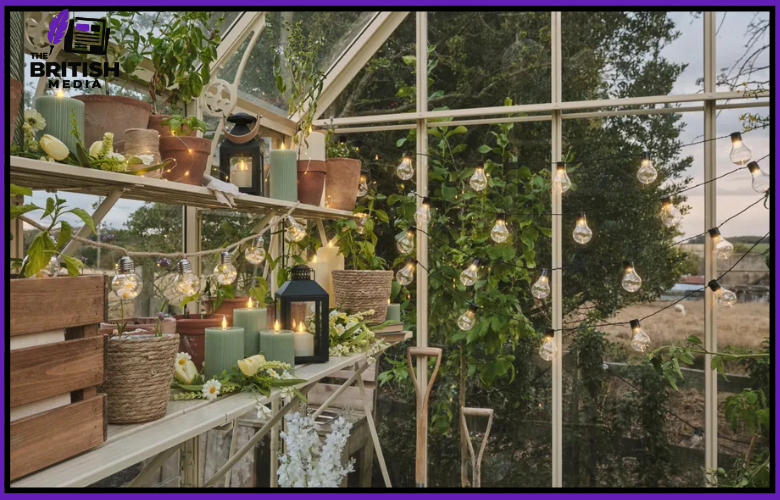
On social media, interiors accounts are packed with greenhouses styled alongside terracotta pots, vintage watering cans, café chairs and trailing plants. Grow-your-own keeps picking up steam. Plenty of homeowners want their growing space to look as good as the rest of the garden, and they’re willing to spend more to make that happen.
Lean-To Glasshouses and the Small Garden Solution
Short on garden space? If you’ve got a south-facing wall, a lean-to greenhouse can be a better fit than a freestanding one because it can benefit from heat retained by the building and won’t eat into your lawn in the same way.
They’ve come a long way in terms of design, too. Slim aluminium frames with sharp, clean lines give them a modern edge, and they pair nicely with both brick and rendered walls. This style can work particularly well in terraced houses and courtyard gardens, because you keep your growing space without having to sacrifice your outdoor area.
Clean Lines and Modern Builds
At the opposite end, minimalist greenhouses with flat or mono-pitch roofs appeal to homeowners who want something genuinely architectural. Think black steel framing with large, uninterrupted panels that echo the shape of the house itself.
Materials make a big difference here. Traditional glass still offers excellent clarity, but the popular pick for modern builds is now a simple polycarbonate sheet. That’s because it’s lighter, cheaper, highly impact-resistant and can retain heat well too. For anyone with children or pets, or an exposed windy plot, that extra durability may be enough to influence the decision.
Victorian Styles Are Back (With a Twist)
Ornate Victorian greenhouses with steep roof pitches and decorative ridge cresting never fully disappeared from the market. They are becoming more popular again, and it’s easy to see why people find that level of craftsmanship so appealing when so many garden products are mass-produced.
What’s different this time round is the finishing. Painted steel frames in muted greens or charcoal greys, heritage-style door handles, stone base walls and carefully chosen detailing all give the classic Victorian shape a more curated look. Cottage-style gardens and period properties suit these greenhouses especially well, where something too contemporary would stick out.
Get the Siting Right First
Even a gorgeous greenhouse will underperform in the wrong spot. South-facing positions give you the most sunlight, but if that isn’t an option, go for somewhere that catches the morning sun instead. Steer clear of shade from large trees or tall fences, and make sure you’ve got easy access to both water and power before you lock in a location.
Ground prep counts for a lot. A level base, whether that’s paving slabs, a concrete pad, compacted gravel or even reclaimed brick, will keep the frame stable and stop drainage problems from showing up months down the line.
The Trend That Actually Matters
Design-conscious homeowners aren’t upgrading their greenhouses just to grow better tomatoes. They want a structure that looks deliberate and adds something to the garden all year round, even when nothing’s in bloom and the beds are bare. A well-chosen greenhouse does that. A cheap one shoved into a corner doesn’t, no matter how many trailing plants you hang off it.
The trend that matters most here isn’t any particular style. It’s the fact that people have started treating greenhouses with the same care they’d give a kitchen extension or a garden room. They’re thinking about materials, proportions, how the frame sits against the house, and whether the whole thing will still look right in five years when the trend that inspired it has moved on. Get those decisions right and the greenhouse will outlast every other structure in the garden, both in how long it stands and in how good it looks while it’s standing.