Every jumps campaign now begins with the same question. Not which horse will win the Gold Cup, but whether anyone can realistically get near Willie Mullins. Anyone scanning the horse racing odds for the season’s feature contests will see how consistently the market still sides with Mullins’ Closutton yard — and how short his best novices are before they have even been tested. That is the clearest measure of where the balance of power sits.
From the family yard to a licence of his own
For Mullins, racing was an inheritance rather than a career choice. He grew up at his father Paddy’s County Carlow yard, home to Dawn Run, still the only horse to complete the Champion Hurdle and Cheltenham Gold Cup double. Willie learned the trade in the saddle, winning the Irish amateur riders’ championship six times over.
He took out his own licence in 1988, and the breakthrough came in 1995 when the 25/1 shot Tourist Attraction landed the Supreme Novices’ Hurdle for his first Cheltenham Festival winner. The following year he went one better, riding Wither Or Which to victory in the Champion Bumper, trainer and jockey in the same set of colours.
The wins that built the legend
What followed was an accumulation few sports have witnessed. Hurricane Fly took two Champion Hurdles, Faugheen and Annie Power added more, and State Man carried the flag a generation later. Quevega won at six consecutive Festivals. Douvan, Un De Sceaux and Energumene ruled the two-mile chasing division, while Al Boum Photo delivered a long-awaited first Gold Cup in 2019 and repeated the feat in 2020. Galopin Des Champs then won the race twice himself.
The Festival records tell the story most plainly: a single-meeting haul of ten winners, and a career tally that passed 100 in 2024. Add near-total control of the Irish jumps programme, champion trainer in Ireland every season since 2007/08, and the scale of it becomes obvious.
Conquering Britain as well
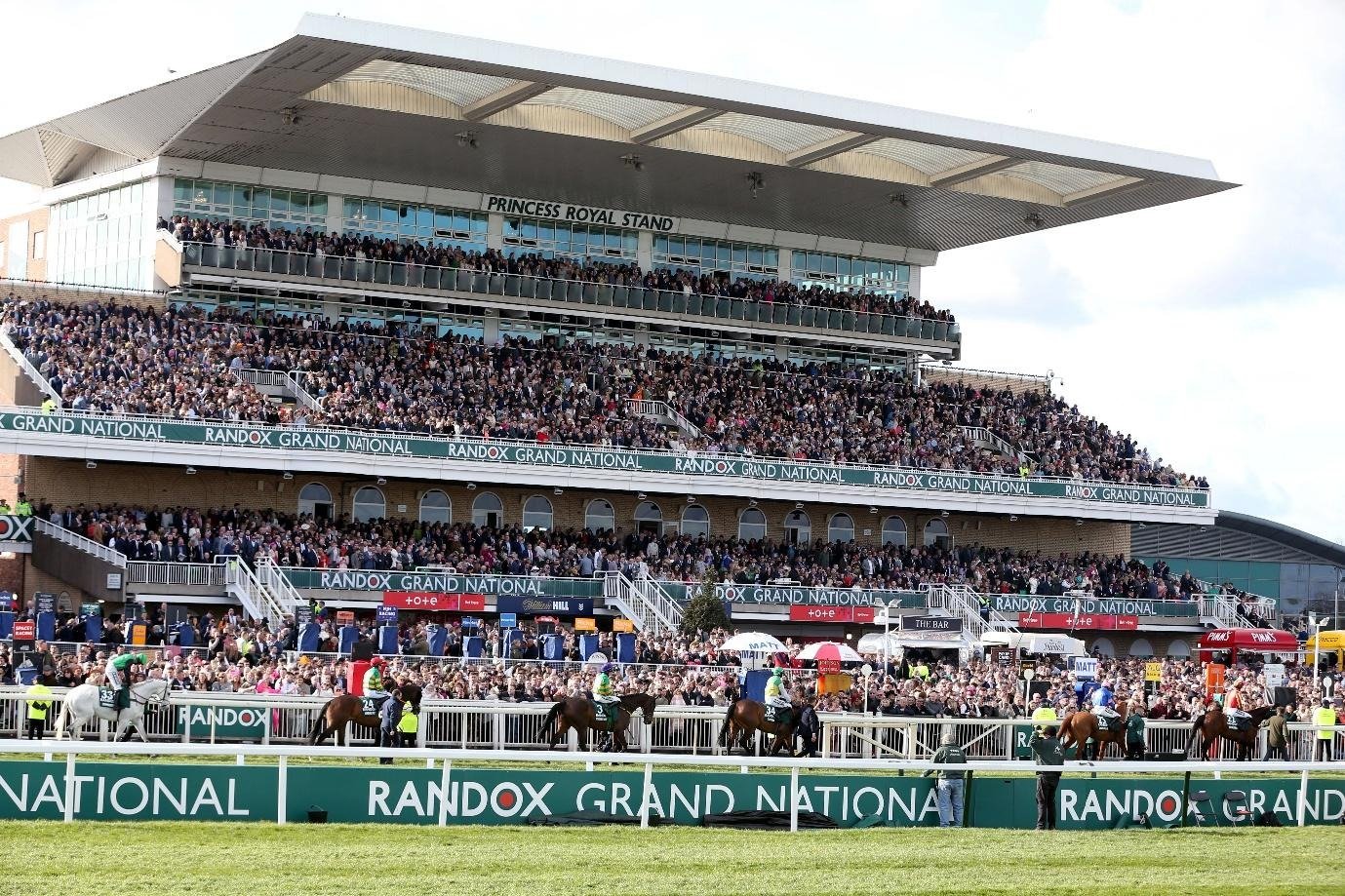
For years the counter-argument was that Mullins simply cherry-picked his British targets. That defence collapsed in 2024, when he became the first Irish-based trainer since Vincent O’Brien in 1954 to win the British jump trainers’ championship, hunting it down through the spring and sealing it on the final afternoon at Sandown. Grand National glory arrived in the same season with I Am Maximus, and 12 months later he trained the first three home at Aintree, Nick Rockett winning under his son Patrick.
Who can close the gap?
In Ireland, Gordon Elliott remains the most persistent challenger. He has a Gold Cup, multiple Grand Nationals and enough strength in depth to beat Closutton on any given afternoon. Henry de Bromhead has repeatedly won the sport’s defining races, and Gavin Cromwell has grown from shrewd operator into a genuine Festival threat.
In Britain, Dan Skelton is the most credible obstacle. His sheer volume of winners keeps him in every prize-money argument, and he has already pushed Mullins to the wire. Nicky Henderson still saddles elite horses when it matters most, Paul Nicholls’ operation retains real depth, and ambitious younger yards such as Harry Derham’s are climbing quickly.
So is the gap actually closing?
Slowly, and unevenly. Mullins’ advantages are structural rather than seasonal: an owner base able to buy the best French-bred prospects, a stable jockey in Paul Townend who rarely wastes an opportunity, and the patience to leave a talented novice off the track until the right race arrives. Those things do not erode in a single summer.
The realistic hope for his rivals is not that Mullins declines, but that they land the handful of races that swing a championship.
For those who follow the sport closely, or bet on horse racing across the winter, the smart approach is to respect the machine while watching for the cracks. Skelton’s strength in numbers and Cromwell’s improving strike rate are the trends worth tracking. Until one of them converts pressure into a title, though, the answer to the question in the headline remains a fairly emphatic yes.