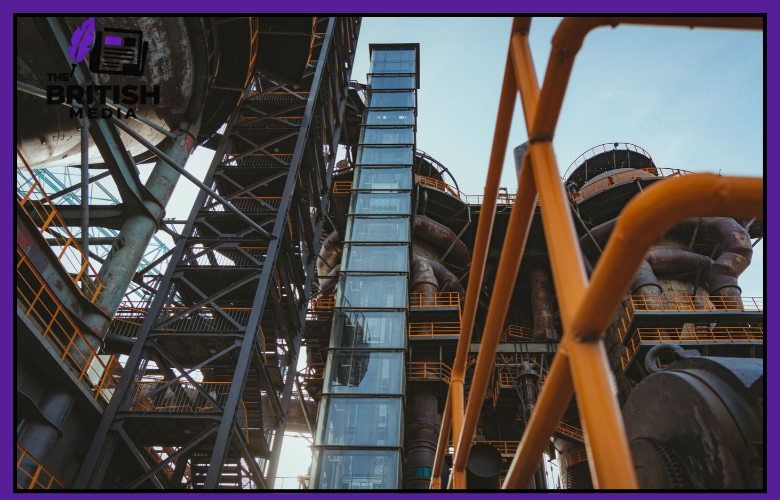
Industrial projects depend on far more than powerful machines. Every installation brings questions about safety, timing, spare parts, and the people responsible for keeping equipment running. Iceland offers a useful perspective: local technical teams coordinate demanding work under challenging environmental and logistical conditions.
Why Icelandic industrial expertise matters?
Iceland’s industrial sector includes energy facilities, manufacturing plants, construction materials, and recycling operations. Each setting has different equipment, yet the underlying engineering questions are familiar. How will components arrive? Can existing machinery remain operational during an upgrade? Who handles unexpected failures?
Island geography adds another consideration. Imported components may require advance ordering, while strong winds and difficult weather can affect outdoor installation schedules. A missing component can hold up an entire installation crew. Local experience helps project managers build sensible delivery plans rather than relying on optimistic assumptions. Extra time matters here.
Planning around existing operations
If you’re planning an upgrade, start with one question: what must stay running throughout the work? Replacing a conveyor in an active factory requires a different schedule from installing machinery inside an empty building.
Engineers can divide installation into stages, check access routes, and identify temporary shutdown windows. They also review lifting requirements before heavy equipment reaches the site. Early coordination protects workers and keeps separate contractors from competing for the same workspace.
Turning drawings into working equipment
Technical drawings explain where parts belong. Installation teams must still account for uneven floors, existing pipework, and small differences between equipment dimensions.
Steel fabrication, machining (shaping metal with cutting tools), and welding help resolve these fit problems. Hydraulic specialists handle systems using pressurized fluid to move heavy loads. Their contribution becomes especially valuable during equipment replacement because newly supplied parts must connect safely with older machinery.
What complex industrial projects require?
Reliable delivery usually rests on four connected activities:
- site assessment – checking space, loads, utilities, and safe access;
- installation planning – setting work sequences and agreed shutdown periods;
- testing – verifying alignment, connections, and equipment performance;
- maintenance preparation – recording components, inspections, and future service needs.
None should be treated as paperwork alone. A missed clearance measurement may delay a crane operation. Incomplete commissioning (testing equipment before regular use) can leave faults undiscovered until production starts.
A closer look at Icelandic project delivery
You can see these challenges in recycling facilities, where conveyors, steel platforms, and automated sorting machines must function together.
On https://velvorn.is/, Vélvörn outlines services covering industrial assembly, steelwork, machining, hydraulic repairs, and emergency maintenance. Its https://velvorn.is/verkefni/ page includes a recycling line upgrade for Íslenska Gámafélagið involving conveyor changes and Waste Robotics sorting technology. The project description identifies a planned shutdown of just three days despite replacing much of the line.
That example illustrates the value of sequencing. Before robotic equipment can operate, supporting platforms need safe access, conveyors require accurate alignment, and mechanical interfaces must match the design. Coordination connects specialist tasks into one functioning process.