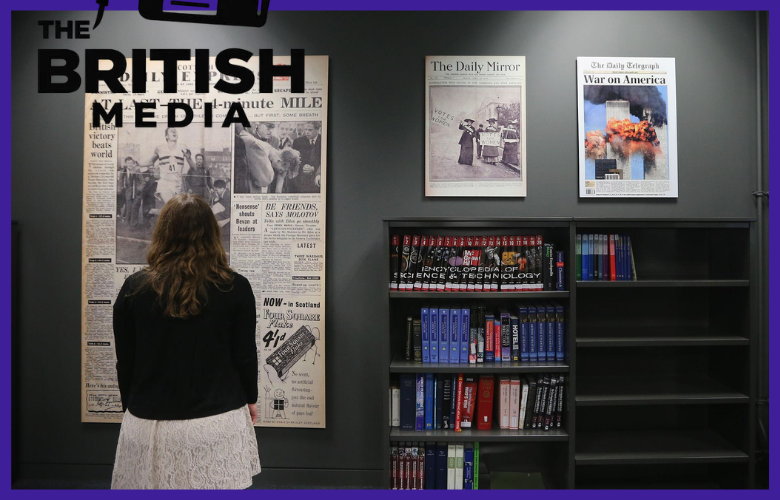
The British Newspaper Archive is one of the most valuable digital resources for exploring centuries of printed history from the United Kingdom and Ireland. It gives users access to millions of digitised newspaper pages dating back to the 1700s, covering everything from major historical events to local community stories that shaped everyday life.
Unlike modern news platforms, this archive preserves original reporting exactly as it was published at the time, making it a powerful primary source for researchers, students, historians, and genealogy enthusiasts. It allows users to search, view, and study historical newspapers in a fully digital environment without needing to visit physical archives.
As interest in genealogy, academic research, and historical storytelling continues to grow, this platform has become an essential tool for understanding how news, society, and culture evolved over time.
What is the British Newspaper Archive?
The British Newspaper Archive is a large-scale digital preservation project designed to collect, scan, and organise historical newspapers into a searchable online database. It is operated by British Newspaper Archive in collaboration with the British Library, ensuring both authenticity and long-term preservation of historical records.
The archive includes newspapers from across the UK and Ireland, ranging from national publications to small regional and local newspapers. Many of these publications no longer exist in print form, making the archive the only surviving record of their content.
Its purpose goes beyond storage. It is designed to make historical information accessible to the public, supporting education, research, and cultural preservation on a large scale.
How the Archive Works in Practice
The system behind the archive uses advanced digitisation and text recognition technology. Original newspaper pages are scanned in high resolution and stored as digital images. These images are then processed using Optical Character Recognition (OCR), which converts printed text into searchable data.
When a user searches for a keyword such as a name, event, or location, the system scans millions of pages and returns relevant results instantly. Users can refine searches using filters like date range, publication name, or geographic area.
Each result opens the original scanned newspaper page exactly as it appeared in print. This preserves layout, formatting, and historical context, which is important for accurate interpretation of older sources.
Key Features and Functionality
The platform offers a wide range of tools designed to support both casual browsing and advanced historical research.
Key features include:
- Access to millions of digitised historical newspaper pages
- Powerful keyword-based search system
- Filtering by date, location, and publication title
- High-quality scanned original newspaper pages
- Bookmarking and saving tools for research organisation
- Download options for personal or academic use (subscription-based)
- Full-page browsing of entire newspaper editions
These features allow users to navigate vast amounts of historical data efficiently, making research faster and more structured.
British Newspaper Archive Online
The internet has transformed the way people explore history, and one of the best examples of this is the British Newspaper Archive online platform. Instead of searching through dusty shelves or visiting specialist libraries, users can now access millions of historical newspaper pages from their computer or mobile device.
This digital archive contains newspapers from across the United Kingdom and Ireland, covering more than three centuries of history. From major political events and wartime headlines to local announcements and family notices, the collection offers a detailed look into the past through original printed journalism.
Researchers, students, journalists, and genealogy enthusiasts use the platform to uncover historical facts, trace family histories, and study how society changed over time. Its growing popularity comes from its convenience, authenticity, and ability to make historical records easily accessible online.
What Is the British Newspaper Archive Online?
The British Newspaper Archive online is a digital newspaper database created to preserve and provide access to historical newspapers published throughout Britain and Ireland. It is operated by British Newspaper Archive in partnership with the British Library.
The archive contains millions of scanned newspaper pages dating back to the 1700s. These include national newspapers, regional publications, and small local papers that documented daily life in towns and cities across the UK.
Many newspapers included in the collection are no longer in print, making the archive one of the few places where their content survives. The online format allows users worldwide to explore historical newspapers without visiting physical archives or libraries.
Benefits of Using the Platform
One of the biggest advantages is accessibility. Users can explore centuries of newspapers from anywhere in the world without visiting libraries or archives. This dramatically reduces the time and effort needed for historical research.
Another major benefit is authenticity. Because the content is taken directly from original newspapers, users see exactly how events were reported at the time they happened. This helps avoid bias introduced by modern summaries or interpretations.
Additional benefits include:
- Access to rare and hard-to-find historical content
- Reliable primary source material for research
- Strong support for genealogy and family history projects
- Useful for verifying historical facts and timelines
- Deep insight into social, political, and cultural history
These advantages make it a highly valuable tool for both professional and personal use.
Real-World Use Cases
The archive is widely used across different fields for practical purposes.
One of the most common uses is genealogy research. People search for ancestors using birth announcements, marriage records, obituaries, and local news mentions. These records often reveal personal stories that are not available in official civil documents.
Historians use the archive to study how major events such as wars, political changes, and industrial developments were reported in real time. This helps them understand public sentiment and media perspective during different eras.
Journalists rely on it for fact-checking and background research when writing investigative or historical articles. Students and educators use it to access primary sources for assignments and academic projects.
Even casual users explore old advertisements, crime reports, and community stories to understand how everyday life has changed over time.
Pros and Cons Analysis
Like any digital research platform, it has both strengths and limitations.
Strengths
- Extremely large collection of historical newspapers
- Easy-to-use search and filtering tools
- High-resolution scanned pages
- Trusted by academic and professional researchers
- Excellent for genealogy and historical studies
Limitations
- Full access requires a paid subscription
- OCR errors can occur in older or damaged pages
- Some newspapers are incomplete or missing issues
- Search results may require refinement for accuracy
Despite these limitations, it remains one of the most comprehensive historical newspaper databases available online.
Why It Is So Widely Used
People choose this platform because it provides direct access to original historical sources that are difficult to find elsewhere. Instead of relying on rewritten summaries, users can read the exact wording used in newspapers from centuries ago.
Researchers value its accuracy and depth, while family historians appreciate the personal connections it helps uncover. It also saves significant time compared to visiting physical archives or searching microfilm collections.
Another reason for its popularity is trust. It is widely used by universities, historians, and professionals, making it a credible and dependable research tool.
Is It Worth Using?
Whether the archive is worth using depends on how frequently someone needs historical information. For occasional users, limited free access may be enough. However, for regular researchers, historians, or genealogy enthusiasts, it offers strong long-term value.
The platform provides access to millions of pages that cannot be easily found anywhere else online. This makes it a specialised and powerful historical research tool.
For those who work regularly with historical data, the subscription is often considered worthwhile due to its scale, reliability, and depth of content.
Search Tips for Better Accuracy
To get the best results, users should apply smart search techniques.
Helpful strategies include:
- Use specific names instead of general keywords
- Try alternative spellings for people and places
- Narrow results using date filters
- Search across multiple newspapers for the same event
- Save and organise useful findings for later use
These methods improve accuracy and reduce irrelevant results, especially when working with older records.
Limitations and Challenges
Although powerful, the archive does have some challenges.
One major issue is OCR accuracy. Older newspapers often have faded print or damaged pages, which can lead to incorrect text recognition.
Another limitation is incomplete digitisation. Not all newspapers have been fully scanned, meaning there are gaps in some historical records.
Additionally, subscription requirements may limit access for users who only need occasional information.
Educational and Academic Importance
The archive plays a significant role in education. It provides students with access to original historical documents instead of simplified summaries.
Teachers use it to demonstrate how events were reported in real time, helping students understand bias, tone, and historical context.
Researchers benefit from its depth, using it to study long-term social, political, and cultural changes based on original evidence.
Genealogy and Family History Value
One of the strongest applications is family history research. Newspapers often contain personal records that are not found in official archives.
These include:
- Birth announcements
- Marriage notices
- Obituaries
- Court records
- Local achievements
Such information helps users build detailed family trees and discover personal stories about their ancestors.
Cultural and Historical Importance
The archive is more than a research tool—it is a major preservation project. It protects fragile historical newspapers from being lost due to time, damage, or decay.
By digitising these records, it ensures future generations can access valuable cultural and historical information. It also helps researchers study how language, society, and journalism have evolved over centuries.
This makes it an essential part of preserving national heritage and historical memory.
Subscription Model Overview
The platform operates on a subscription basis. Users can access a limited number of articles for free, but full access requires payment.
Paid plans typically include:
- Unlimited access to newspaper archives
- Advanced search capabilities
- Download and saving features
- Full browsing of historical collections
Many users find the subscription valuable due to the uniqueness and depth of content available.
Frequently Asked Questions (FAQ)
What is this archive used for?
It is used for historical research, genealogy, education, journalism, and cultural studies.
How far back do records go?
Some newspapers date back to the 1700s, covering over 300 years of history.
Can I search by name?
Yes, users can search names, places, and historical events.
Is it free?
It offers limited free access, but full features require a subscription.
Who benefits most from it?
Historians, students, journalists, and genealogy researchers benefit the most.
Conclusion
The British Newspaper Archive is one of the most important digital tools for exploring historical newspapers and understanding how the past was recorded in real time. It brings together millions of original newspaper pages into a single searchable platform, making historical research more accessible and efficient than ever before.
From academic studies to family history discovery, it provides deep insights into society, culture, and historical events. While it has some limitations such as subscription requirements and OCR imperfections, its overall value is extremely high.
For anyone interested in history, journalism, or genealogy, it remains a powerful and reliable resource that connects modern users directly with centuries of authentic newspaper records.